Density Labs
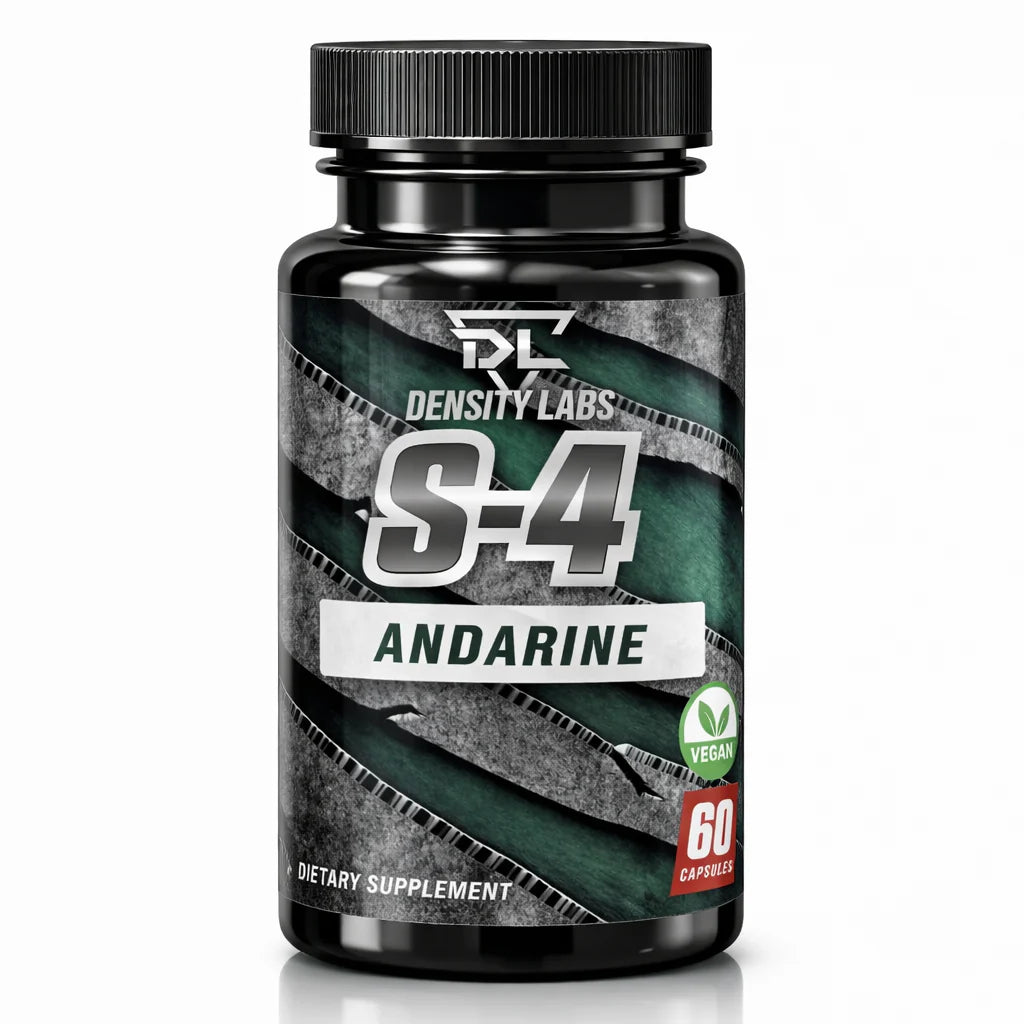
S-4 Andarine
S-4 Andarine
Couldn't load pickup availability
S-4 Andarine is one of the most widely discussed selective androgen receptor modulators (SARMs) in the performance and physique community. Originally developed during research into muscle wasting and osteoporosis, Andarine became known for its strong affinity for androgen receptors in skeletal muscle and bone tissue, while showing greater tissue selectivity than testosterone in preclinical studies.
- 10mg S-4 (Andarine)
- 60 Capsules
Not for human consumption. For research purposes only.
Interest in S-4 largely centres around its potential role in supporting lean muscle retention, strength performance, and a harder, drier physique appearance during calorie-restricted phases. Unlike many traditional androgen-based compounds, Andarine was specifically designed to act more selectively in certain tissues, which is why it continues to attract attention in sports science and bodybuilding discussions.
- Popular SARM for cutting phases
- Studied for muscle and bone support
- Known for lean, dry physique effects
- Originally researched for osteoporosis
- Widely discussed in sports performance circles
What is S-4 Andarine?
S-4 Andarine is a non-steroidal selective androgen receptor modulator first developed during research into conditions associated with muscle loss and bone degeneration. SARMs were designed to selectively stimulate androgen receptors in tissues such as skeletal muscle and bone while reducing unwanted activity in other organs.
Preclinical studies demonstrated that Andarine showed strong activity in muscle tissue with reduced prostate stimulation compared to testosterone in animal models. This selective activity is one of the main reasons SARMs became a major area of pharmaceutical research in the early 2000s.
In research settings, S-4 has been investigated for its potential effects on:
- Lean muscle preservation
- Muscle wasting conditions
- Bone mineral density
- Physical strength and function
- Androgen receptor signalling
S-4 Andarine and Lean Muscle Retention
One of the most commonly discussed characteristics of Andarine is its potential role in preserving lean tissue during calorie restriction. In preclinical androgen receptor studies, S-4 demonstrated strong muscle-supporting effects while maintaining tissue selectivity compared to testosterone.
This has made it particularly popular among physique-focused users looking to maintain muscle mass while reducing body fat levels. In bodybuilding circles, S-4 is frequently associated with a harder and more defined visual appearance, especially during contest preparation phases.
Unlike compounds that convert into oestrogen, Andarine is not generally associated with water retention linked to elevated oestrogen activity. This contributes to the “dry” look often reported anecdotally.
Research into Bone Density and Musculoskeletal Health
Andarine was initially researched partly for its potential role in osteoporosis and age-related muscle loss. Animal studies suggested that selective androgen receptor activation may positively influence both muscle and bone tissue.
Research published in the Journal of Pharmacology and Experimental Therapeutics found that selective androgen receptor modulators, including S-4 analogues, demonstrated beneficial activity in bone tissue while producing fewer androgenic effects than testosterone in prostate tissue.
This tissue-selective behaviour remains one of the defining characteristics of the SARM category and continues to drive scientific interest in androgen receptor modulation.
How S-4 Andarine Differs from Traditional Hormonal Compounds
Traditional hormone-based performance compounds activate androgen receptors throughout the body, including tissues associated with unwanted side effects. SARMs such as S-4 were developed with the goal of producing a more selective response.
Although research remains ongoing and human data is still limited, SARMs have consistently been investigated for their ability to separate muscle- and bone-supportive activity from broader androgenic stimulation.
Key differences often discussed between SARMs and traditional hormonal compounds include:
- Non-steroidal chemical structure
- Tissue-selective receptor activity
- No aromatisation into oestrogen
- Originally developed for medical research purposes
- Potentially different side-effect profile in research models
The Science Behind Androgen Receptor Modulation
Androgen receptors are involved in regulating muscle growth, strength, recovery, and bone metabolism. When activated by androgens, these receptors influence gene expression related to protein synthesis and tissue maintenance.
SARMs were designed to bind selectively to these receptors in target tissues. In theory, this selective signalling may allow for muscle- and bone-supportive effects while limiting activity in tissues such as the prostate.
However, despite promising preclinical data, researchers continue to emphasise that more long-term human studies are needed to fully understand the efficacy and safety profile of compounds such as S-4 Andarine.
Research Status and Regulatory Considerations
S-4 Andarine remains a research compound and has not been approved for human consumption by major regulatory authorities such as the FDA or EMA. Most available data comes from preclinical animal research and early-stage investigational studies.
The World Anti-Doping Agency (WADA) prohibits SARMs in competitive sport due to their potential performance-enhancing effects.
As with all investigational compounds, scientific interest in S-4 continues to focus on its receptor selectivity, muscle-preserving potential, and possible applications in musculoskeletal research.
References
Dalton, J. T. et al. (2011). The Selective Androgen Receptor Modulator GTx-024 (Enobosarm) Improves Lean Body Mass and Physical Function in Healthy Elderly Men and Postmenopausal Women. Journal of Cachexia, Sarcopenia and Muscle.
Yin, D. et al. (2003). Pharmacological Characterization of Andarine (S-4), a Selective Androgen Receptor Modulator for the Treatment of Benign Prostatic Hypertrophy. Journal of Pharmacology and Experimental Therapeutics.
Narayanan, R. et al. (2008). Selective Androgen Receptor Modulators in Preclinical and Clinical Development. Nucl Recept Signal.
Basaria, S. (2010). Androgen Abuse in Athletes: Detection and Consequences. The Journal of Clinical Endocrinology & Metabolism.
World Anti-Doping Agency (WADA). Prohibited List – SARMs Category. WADA Official Publications.
Shipping & Returns
Shipping & Returns
Over 90% of orders placed before 2pm Mon-Fri are delivered next-working-day in Ireland and the U.K.
FREE when you spend just €40
€2.49 when you spend €20
€4.49 on orders less than €20